One of the most powerful ways food connects us to the past is through family traditions. These traditions often center around certain dishes that are made only on special occasions, or even passed down through generations. Recipes handed down from a grandmother to a mother, and then to a daughter, hold a unique power. They are more than just ways to cook—they are a bridge to the past, carrying the memories of those who came before us.
Take, for example, the tradition of holiday cooking. Many families have specific recipes they only make during the holidays, such as turkey with stuffing, mashed potatoes, and pumpkin pie. These meals become synonymous with the season, and over time, they become tied to family memories. The act of making the same dish year after year creates a sense of continuity and familiarity. Each time we cook a beloved family recipe, we honor the people who made it before us, and we reinforce the connections between generations.
But it’s not only about the recipe itself—it’s also about the experience of making it together. For families who pass down recipes, cooking often becomes a communal activity. Parents and children work side by side, kneading dough, chopping vegetables, and stirring sauces. The kitchen becomes a space of learning, connection, and laughter. These moments, though seemingly small, create lasting memories that people carry with them throughout their lives.
Recipes as a Reflection of Culture
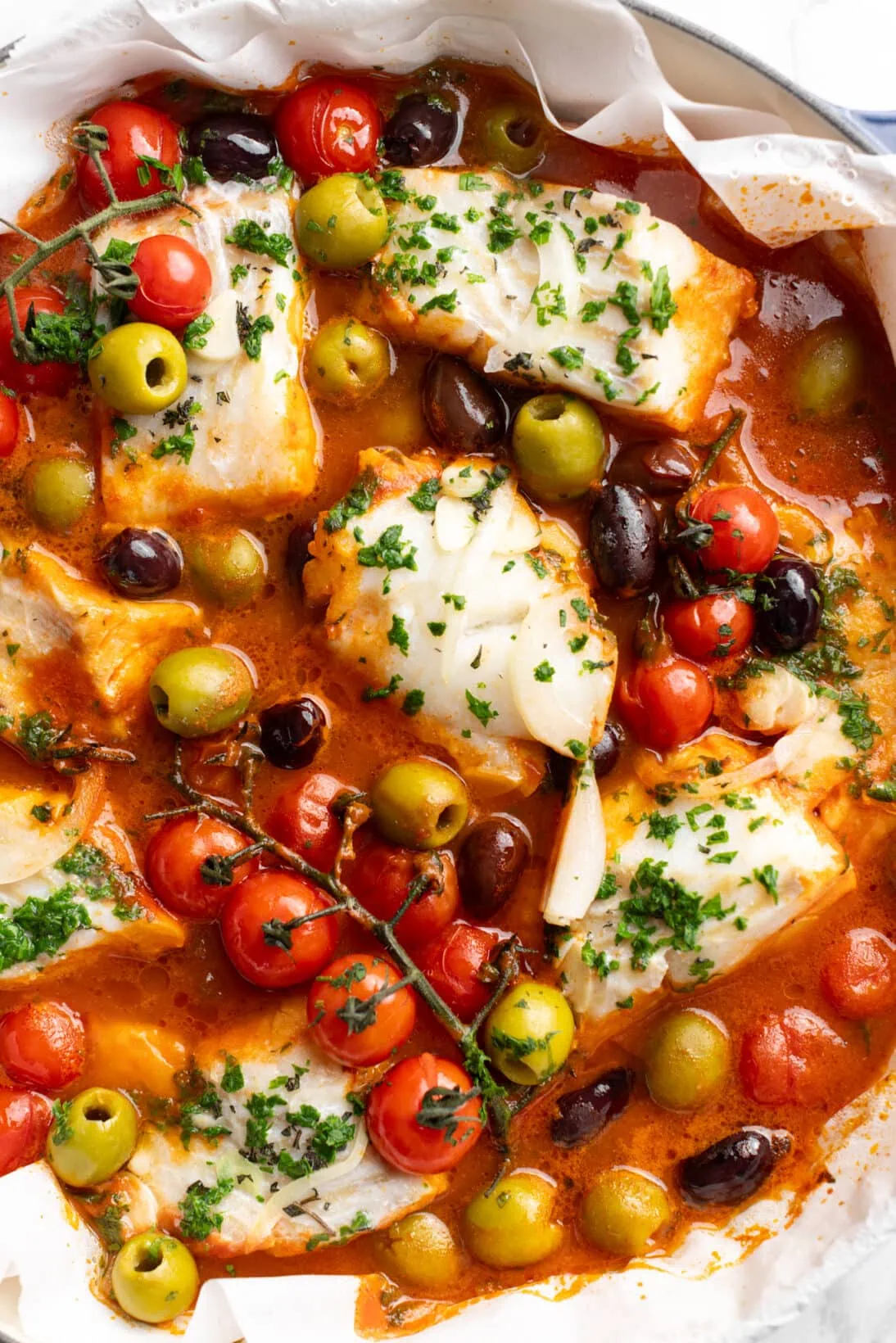
Each recipe carries with it a piece of the culture from which it originates. Recipes aren’t just a collection of ingredients—they are a reflection of the values, beliefs, and history of the people who created them. Whether it’s Italian pasta, Chinese dim sum, or Mexican tacos, food connects us to the unique customs and traditions of the world’s diverse cultures.
For example, the act of cooking and sharing food is central to many African American traditions. Soul food, which includes dishes like fried chicken, cornbread, collard greens, and macaroni and cheese, tells a story of resilience, community, and family. These dishes were often created out of necessity by enslaved individuals and later evolved into expressions of pride and joy. Today, soul food continues to bring families together, serve as a source of comfort, and connect generations to their African American heritage.
Similarly, many European cuisines have deep-rooted traditions that highlight the importance of family and togetherness. In Italy, for instance, cooking is a highly social activity. The tradition of gathering around the dinner table, where each family member plays a role in preparing and sharing the meal, is integral to the culture. Meals are often long and leisurely, a time to bond and reconnect. Dishes like lasagna, risotto, and pasta sauces are passed down through generations, each family putting their own spin on the recipe while still honoring the original version.
Food is also a marker of identity. For immigrants and refugees, recipes provide a way to hold onto their culture while adapting to a new country. Many people cook the foods they grew up eating as a way of preserving their heritage and connecting to their roots, even if they live far from the place they once called home. This is why food can be such a powerful tool in fostering cultural understanding—it allows us to step into someone else’s world, experience their history, and appreciate their values.
Recipes That Heal: Comfort Food
Continued on next page: